
食べる順番ダイエット 基本のキ!ベジファーストを理解して健康的に痩せよう
なぜ『食べる順番ダイエット』が良いのか? それは最初に口にする食べ物と体の関係が、とても合理的だからです
このダイエット法に限らずですが、とても重要なことがあります。それは、これから始めるダイエットが「どういった仕組みでやせるのか?」「なぜ太りにくくなるのか?」をきちんと頭に入れておくこと。その認識があることで、ダイエットの効率や意識がグンと上がってきます。
食べる順番ダイエットの流れ
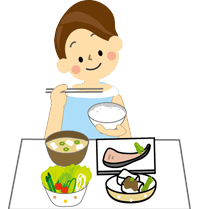
まずは食べる順番ダイエットの最大のポイントから。『とにかく最初に野菜を食べます』ベジタブルファースト、略してベジファーストですね。その理由は、
- 野菜に含まれている食物繊維が血糖値の上昇を緩やかにし
- その結果、糖質や脂質の吸収を抑える働きがあるからです
また、ある程度の満腹感を先に得ることができるため、食べ過ぎを防ぐこともできます。
食物繊維が特に多い野菜は豆類なのですが、ごぼうやアボカドにも多く含まれます。もちろんサラダに良く使われるキャベツ、にんじん、なす、トマトなどにも含まれています。
その他に食物繊維が多いのは、寒天やヒジキ、ワカメなどの海藻類。またキクラゲや干し椎茸などのきのこ類にも多く含まれます。これらを使ったサラダを最初に食べることが非常に効果的です。
厳密に言うと、野菜ではなく「食物繊維を多く含んだものを最初に食べましょう」となります。野菜は大体食卓に並ぶことが多いので、メディアなどでは代表的に「まず野菜を食べましょう」と言われているのです。
ではどれだけの量を食べれば良いのか?これはそれぞれの食事のペースにもよりますが、概ね4~5口も食べれば良いと言われています。もちろん多いに越したこともないのですが、あまり野菜ばかりを食べていると、食卓にある他の料理が冷めてしまいますからね。
ただ、しっかりと噛んでゆっくりと食べる習慣は身につけましょう。
そして食物繊維のあとは、肉や魚などのたんぱく質→ご飯や麺類などの炭水化物という順番が理想的です。
ただそうは言っても、おかずとご飯は一緒に食べたいものです。以下の「食べる順番ダイエットの仕組み」を理解されていれば、それほど2番目以降の順番は気にしなくても良いことが分かります。
食べる順番ダイエットの仕組み
空腹時の体内は血糖値が低い状態です。そこに血糖値がいきなり上がるような炭水化物のドカ食いをすると、急に血糖値が上昇するのを抑えるためにすい臓から「インスリン」が大量に分泌されます。
インスリンは脂肪を体内に蓄えやすくする働きがあるので、『血糖値が急に上がる→インスリンが大量に分泌される』という食生活を続けていると、自然と太る(脂肪を蓄えやすい)体質となってしまうのです。
ラーメン・餃子・炒飯セット、そしてビールを含めた早食いを続けることは、一番このパターンに当てはまりますね。
食べる順番ダイエットの重要なポイントとして、頭に入れておく必要があるのは
- 血糖値を急に上げない
- インスリンの量を抑える
ことです。これが最初に野菜・食物繊維を食べる理由なのです。そして先に野菜を食べることにより満腹感も得やすく、消化の効率もよくなり、快適なお通じにも繋がっていきます。
同じ食事の量だとしても、食べる順番を変えることでインスリンの量を減らせますので、脂肪の蓄積量が変わってくるのです。
こんなに簡単で、とても効果的なことを始めない理由はないです(^^♪

食べる順番ダイエットのメリット
食べ順ダイエットの大きなメリットと言えば、まずはその手軽さが一番に挙げられます。特に何の用意が無くてもすぐに今日から始めらます。
また、しばらくこのダイエットをしていれば気づくと思いますが、やはりその効果が実感しやすいということです。
最初に食物繊維の多いものを食べることによりある程度の満腹感を先に得て、ご飯の食べ過ぎを見事に防いでくれるのです。そして、それでいて最初に食べているのは野菜や海草類なので、消化もよく食べている間もお腹がとても軽いのです。
もちろん、炭水化物などの糖類を後に取ることでインスリンの分泌を最小限に抑え、太りにくくするという恩恵も受けられるので、やらない理由が見当たらないほどのダイエットなのです!
食べる順番ダイエットのデメリット
では、デメリットは何があるでしょうか? これは唯一にして最大のポイントかもしれませんが、最初にある程度の野菜を食べようとするとせっかくの出来たての食事が冷めてしまうということです。
効果的な食べる順番ダイエットを行おうと思ったら、それなりに野菜(食物繊維)を摂らなくてはなりません。しかし、それだけ時間がかかってしまうのです。
以前テレビで見た食べる順番ダイエットの内容は、まず出てきた野菜を全て食べてから次のたんぱく質などに移れと言っていました。なかなか常にそういう事はできないですよね。
食べる順番爆発ダイエット
2012年11月に『もてもてナインティナイン』にて、食べる順番ダイエットが紹介されました。
こちらでは「爆発」と、ダイエットの停滞期に炭水化物を大量に摂取する方法が紹介されていますが、一般的にはあまり気にすることはないと思います。
最後の方では筋トレやウォーキングもやっていますし、やはり適度な運動は大事ということですね。
さらに効果を高める「食べる順番ダイエット」
食べる順番ダイエットは非常に効果が良くまた簡単にできるのですが、一つだけネックがあります。それはデメリットで先述したとおりなのですが、最初にある程度の野菜(食物繊維)を食べなければならないので、どうしても時間がかかってしまうことです。また、野菜ごとにどの程度が適量かも判断がしづらい部分でもあります。
最初に野菜を食べるのは全く問題ないのですが、他の料理が冷めてしまったり麺などが伸びてしまうことも、できれば避けたいところです。
私もこの難題に立ち向かい笑、そして・・・、いろいろと食べ方などを工夫して、やっとこの問題を解決することができたのです!しかもさらに高い効果が出て、最初の2週間くらいで自然と2キロ以上もやせることができました。
時間もかからずに、それでいて適量の食物繊維が摂れる方法です。
言われてしまえば簡単なことなのですが、できるだけシンプルに食物繊維を多く含む食べ物を先に体内に入れてしまうという手法です。簡単に手軽に先に体内に入れるには・・、そう、ジュースにして飲んでしまえば良いのです。
最初は自分で野菜をミキサーにかけ自家製の野菜ジュースを作っていたのですが、これが続かない笑! 面倒でまったくやる気がおきなくなりました。ただ、非常に効率的ではあったし野菜を先に食べるという効果もきちんと見いだせたので、億劫でない人にはかなりおすすめです。
次に目を向けたのは市販の野菜ジュース的なものですが、これは糖類が多く含まれていることと、一回あたりの費用がかかってしまうので、こちらもすぐに断念。
それで、最後に行き着いたのが食物繊維の量が多くできるだけそれに特化したジュースです。もちろん毎日のことですからコスパ重視です。
これで、私はさらに手軽で効果のあがる食べる順番ダイエットができるようになりました。
ちなみに私は青汁を飲み続けているのですが、コストパフォーマンスが良くて食物繊維が多ければあとはお好みだと思います。いくつか試した中でお勧めできるものをご紹介いたしますので、試される際のお役に立てれば幸いです。
桑抹茶ゴールド


何種類か試してみて、効果・価格・味で文句なしの1位です。食物繊維は一般的な青汁で使われるケールよりも10倍以上入っています。価格は他の青汁が一杯あたり100円前後なところ、桑抹茶ゴールドは約80円です(90袋にて)。キツイ苦味もなく本当に飲みやすく作られているので、毎日普通に気軽に飲むことができます。
こちらを食前に一杯飲み始めただけで、一ヶ月ですぐにウエストが3.5cm、体重が約1.5キロ落ちました。本当に体が軽くなり、まさに健康的な体を手に入れた感じです。
食べる順番ダイエットで食前に青汁を飲むという方法は、まだどこでも目にしていませんので、もしかしたら私の大発見かもしれないです。。
ふるさと青汁

八丈島産で無農薬で育てた、セリ科の明日葉をメインとした青汁です。明日菜も豊富に食物繊維を含んでいて、ケールの約2倍近くあります。値段は一杯あたりが77円(とくとく便利用)で、試した中では最安です。ふるさと青汁もかなり飲みやすい部類に入り、香りもさわやかなのでお勧めできます。